
GARDEN
MARCH THROUGH THE GARDEN
by Terry Kramer
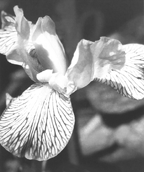
Warm brilliant mornings, chilly nights, windy afternoons and
gusty squalls make March a tottering foot bridge between winter
and spring. Consider the following chores. There is much to do,
even if the weather is cool and unsettled.
- PLANT -- March brings us Arbor Day, the time to plant
trees. Celebrate by planting a handsome maple, magnolia or red
horsechestnut. There are many beautiful trees available. A wide
variety of shrubs and ground covers can be planted now. It is
also a good time to set out cool-season bedding plants like pansies,
violas, calendulas, nemesia, schizanthus, forget-me-not and daisies.
Sow sweet pea and poppy seeds. Vegetable gardeners can put out
cool season vegetable starts like cabbage, broccoli, cauliflower,
kale, collards, lettuce and mesclun greens. Sow pea seeds this
month.
- DIG AND DIVIDE -- March is a good month to divide
crowded summer-blooming perennials. Agapanthus, day lilies and
Shasta daisies, ornamental grasses, epimedium and hosta are good
candidates.
- CONDITION THE SOIL -- If your soil is too wet for
weeding and spading, try smothering weedy areas with cardboard,
a thick layer of newspapers or black plastic. This will prevent
weeds from expanding and going to seed. This is also a good month
to spade in organic amendments and fertilizers. Beef up the soil
with compost, composted manures and leaf mold.
- VANQUISH PESTS -- If you don't have the time to bait
or trap slugs and snails, don't even consider planting flower
or vegetable starts this month. These hungry invaders can decimate
new plantings overnight. Watch out for aphids on newly sprouted
roses. Beware of sow bugs and earwigs. Greenhouse gardeners need
to be wary of white flies and aphids this month. Place yellow
sticky traps about the house for early detection. Spray with
insecticidal soap or neem extract if pests appear. If oak moths
infested your trees last year, now is the time to control the
larvae. Spray trees with bacillus thuringiensis to kill the larvae.
- FERTILIZE -- All plants sprouting new growth need
to be fertilized this month. Annuals, perennials, berries, citrus,
roses and established shrubs and trees will benefit from a complete
fertilizer, like 12-12-12. Top dress blueberries and cane berries
with a mixture of manure and compost. Mulch rhododendrons, azaleas
and other acid-loving woodland plants with cottonseed meal. Feed
broad-leaved and needle-leaved evergreens with a high-nitrogen
fertilizer. Now is the time to fertilize the lawn.
- PRUNE -- Prune after bloom is the rule of thumb when
it comes to rhododendrons, camellias, flowering ornamental trees
and the like. If you planted clematis last year, now is a good
time to prune in order to achieve a thick well-developed vine
loaded with flowers. The first spring after planting, a clematis
should be pruned back 10-12 inches from the ground. This makes
a low branching, heavier flowering vine that will give you years
of beauty.
- SOW SEEDS -- Indoors, sow seeds of warm summer annuals
and vegetables. Marigolds, dahlias, cosmos sprout quickly and
easily indoors. Tomatoes, eggplant and peppers along with squash,
corn and green beans can be sown indoors this month. If you are
not starting seeds in a greenhouse, provide plenty of supplemental
light so plants will not become leggy and weak.
The North Coast Journal
Table of Contents